Здраве и спорт (Health and sport)
76 въпроса с отговори, 10 ключови понятия и 6 задачи за мислене и 19 игри за проектора.
- 1 Тема: Здраве и спорт (Health and sport)
- 2 Изберете игра
- 3 Пуснете на проектора
Здраве и спорт (Health and sport)
Табло и Вярно или невярно са безплатни с профил. Всички игри и „На живо“: 30 дни безплатно за учители. Цени
На живо с телефониУчениците влизат с код и отговарят от телефона си. Класация в реално време.Без проектор и без телефони
Отбелязвате от своя компютър, а всеки отговор отива в профила на ученика.Отборни битки
Класът е разделен на отбори, които се състезават за точки.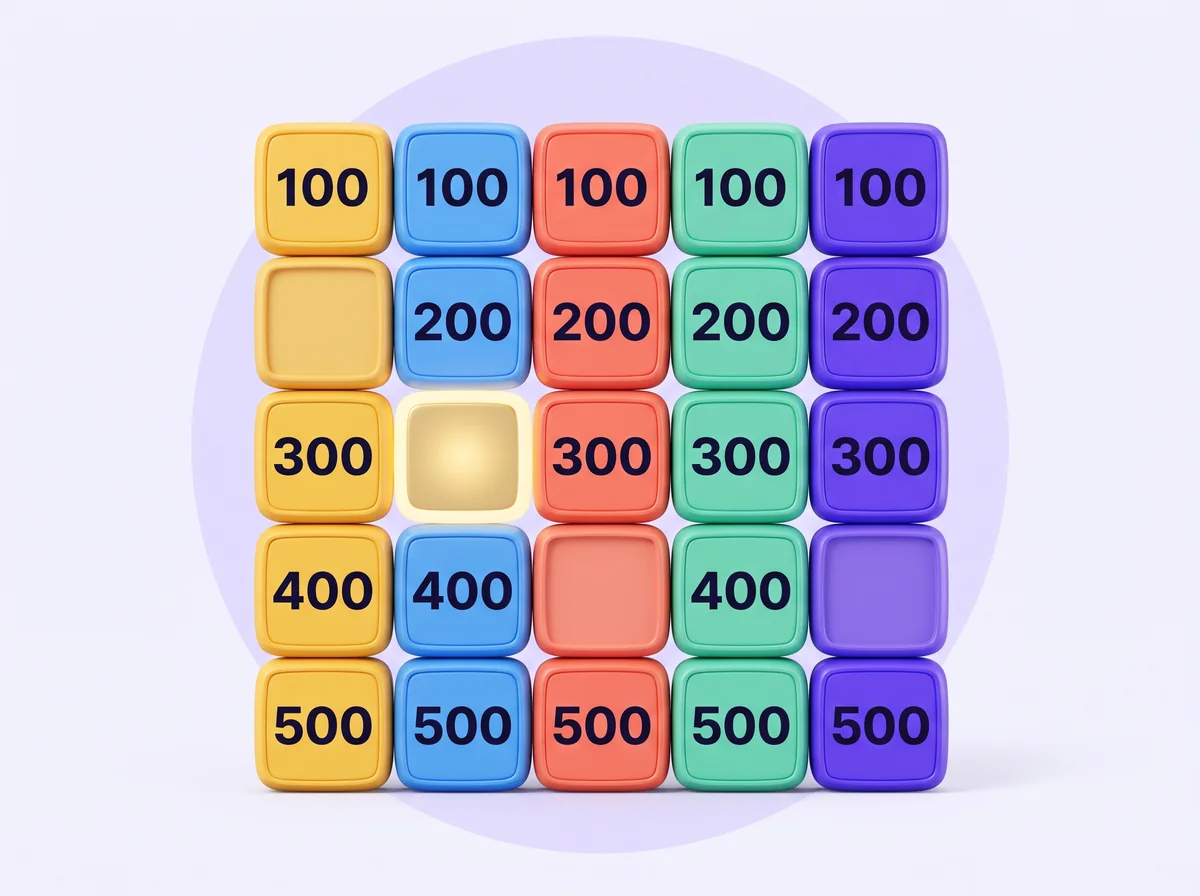 Табло5 теми по 5 въпроса, от 100 до 500 точки. Отборите избират поле, едно поле крие двойна стойност.Безплатно
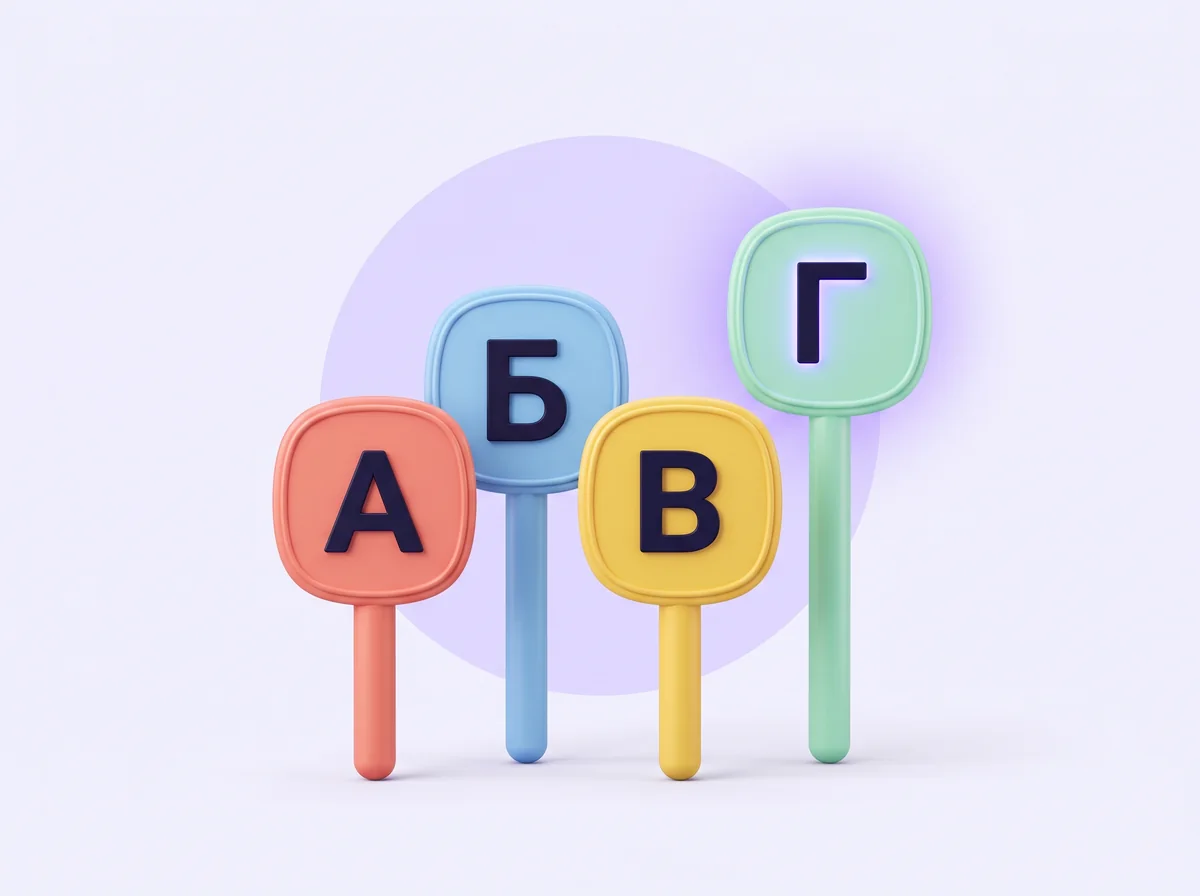 Отборен тест А/Б/В/ГВъпрос с четири отговора и таймер. Всеки отбор вдига карта с буква.Пусни на проектора
 НадбягванеВсеки отбор има писта. Верният отговор движи колата напред, трудният въпрос дава турбо.Пусни на проектора
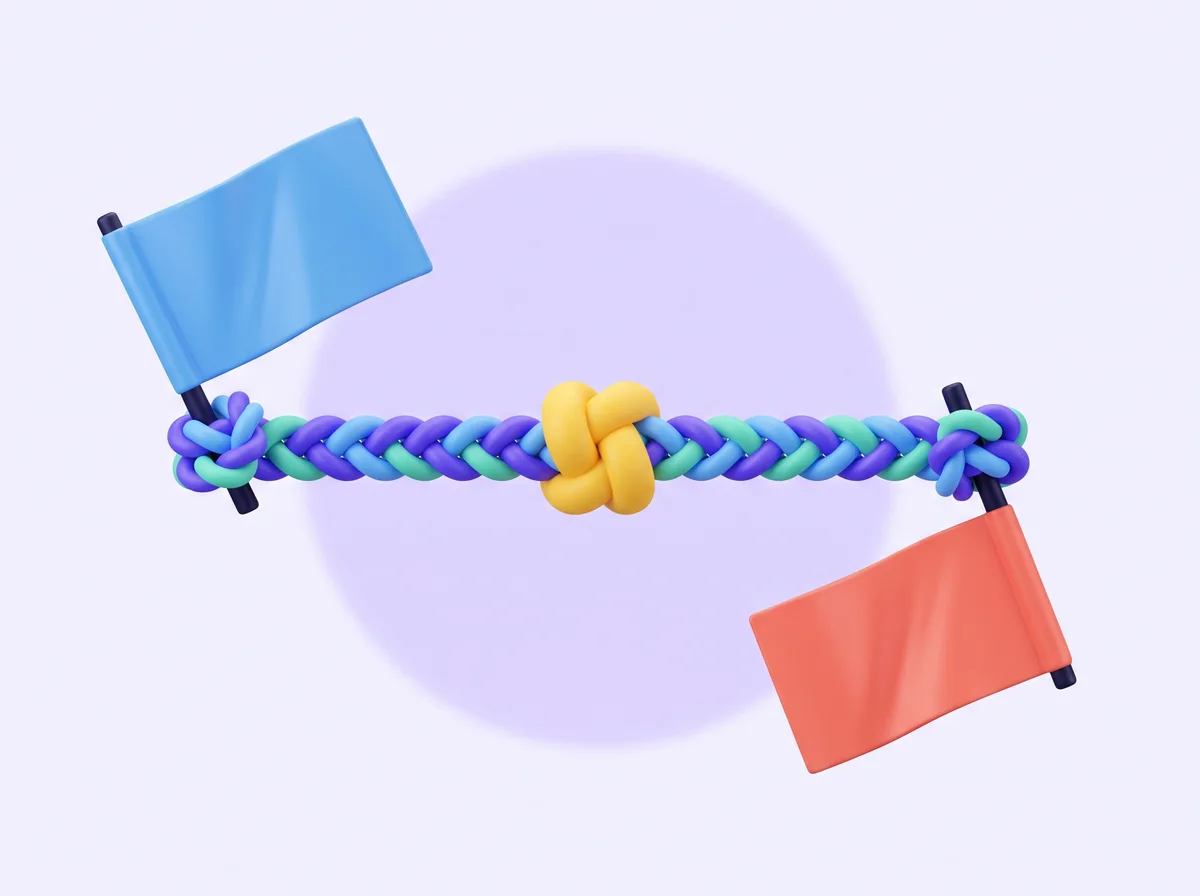 Теглене на въжеДва отбора един срещу друг. Всеки верен отговор дърпа въжето към твоя отбор.Пусни на проектора
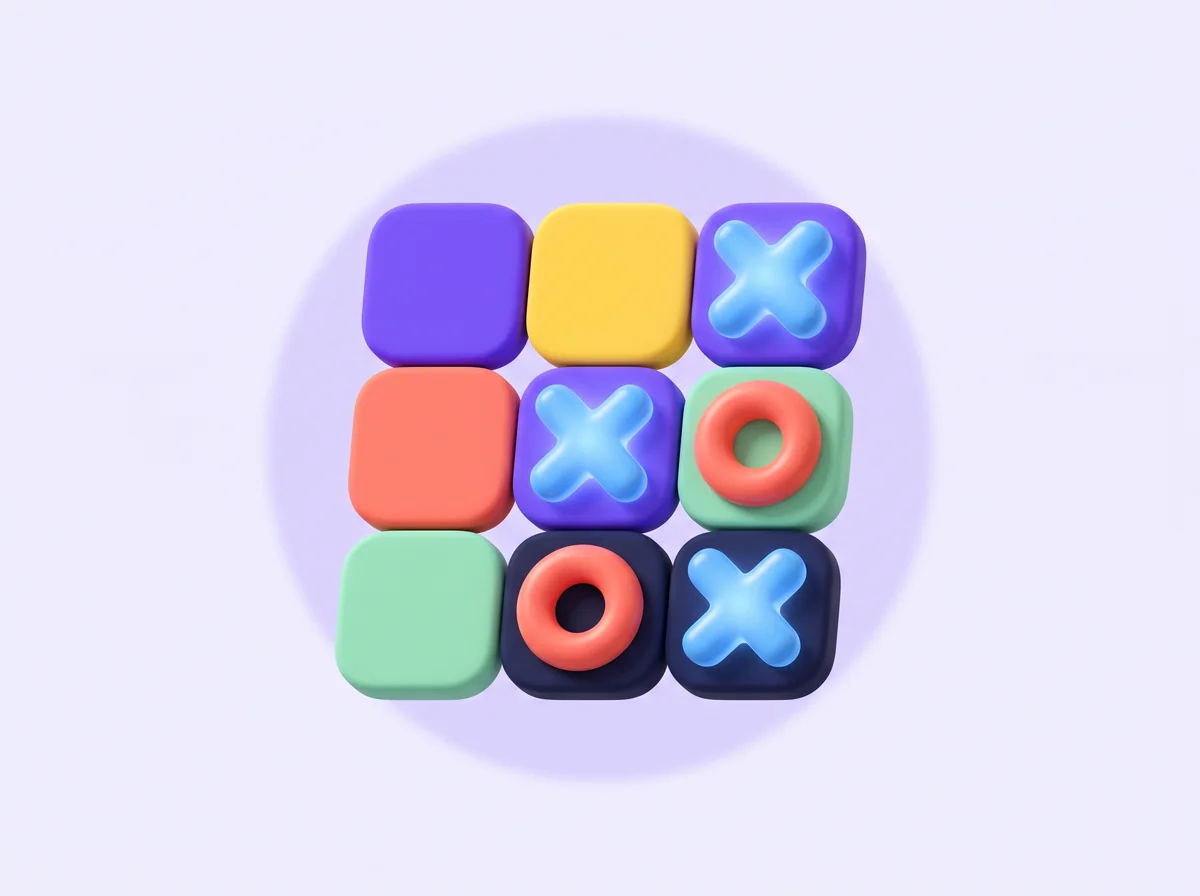 Морски шахХ срещу О на поле 3 на 3. За да заемеш квадрат, трябва да отговориш на въпроса в него.Пусни на проектора
 БомбаБомбата с неизвестен фитил минава от отбор на отбор при верен отговор. Не я задържай!Пусни на проектора
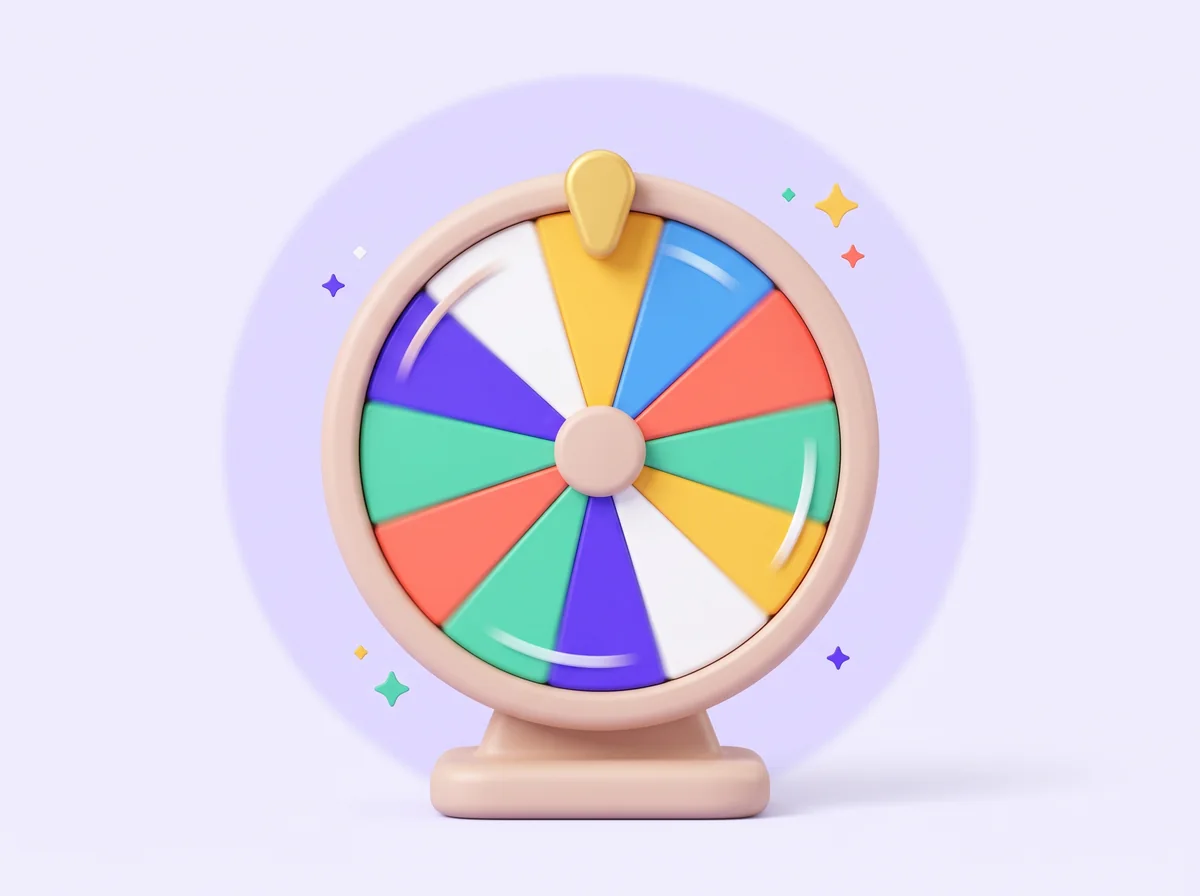 КолелотоЗавъртете колелото: то избира темата и наградата. Понякога носи бонус, понякога взима хода.Пусни на проектора
Целият клас
Всички играят заедно или един по един пред класа.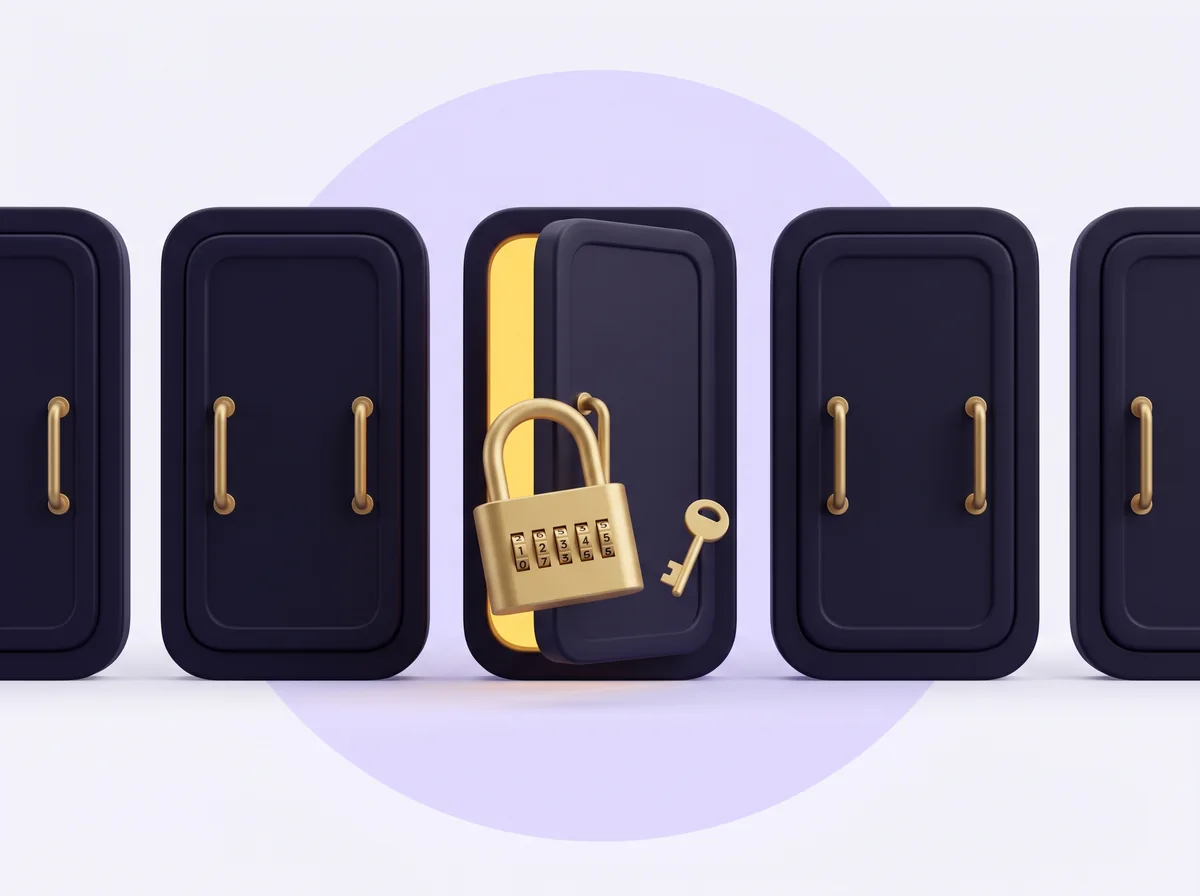 Ескейп стаяПет заключени врати и часовник. Всяка решена врата дава цифра от кода за изход.Пусни на проектора
 Милионер15 въпроса с нарастваща трудност, три жокера и сигурни суми.Пусни на проектора
 Горещ столЕдин ученик, 60 секунди и колкото може повече верни отговори. Класът следи класацията.Пусни на проектора
 БингоРазпечатайте картите. Учителят чете въпросите, учениците зачеркват отговорите.Пусни на проектора
 Вярно или невярноБързи твърдения. Класът гласува с палец нагоре или надолу.Безплатно
Думи и понятия
Ключовите понятия от темата: познай, свържи, запомни. КръстословицаКръстословица от 10 ключови понятия. Решавате на екрана или я разпечатвате.Пусни на проектора
 БесеницаПознайте понятието буква по буква, преди да свършат опитите.Пусни на проектора
 Тайният обектТри подсказки от трудна към лесна. Колкото по-рано познаеш, толкова повече точки.Пусни на проектора
 МемориОбърнати карти с въпроси и отговори. Намерете двойките и запомнете къде са.Пусни на проектора
 Свържи двойкитеШест въпроса и шест отговора, разбъркани. Отборите ги свързват на ред.Пусни на проектора
Мислене
Подреждане и откриване на грешки: разбиране, не наизуст.
Уроци в темата
Кратко обяснение, най-важното за запомняне и въпроси за всеки урок от учебната програма.
Въпроси и отговори: Здраве и спорт (Health and sport)
Всички въпроси от комплекта по английски език за 7 клас. Натиснете въпроса, за да видите верния отговор и обяснението. Удобно за преговор преди контролно и за подготовка у дома.
Sports and athletes
In which sport do you hit a ball with a racket over a net?
- football
- swimming
- tennis
- boxing
Отговор: tennis
Тенисът се играе с ракета и топка над мрежа.
Where do people play basketball?
- on a court
- in a pool
- on a ski slope
- in a ring
Отговор: on a court
Баскетбол се играе на игрище (court).
Where do people swim?
- on a court
- in a pool
- on a pitch
- on a track
Отговор: in a pool
Плуваме в басейн (pool).
We ___ football, but we ___ karate.
- play / do
- do / play
- go / play
- play / go
Отговор: play / do
Play използваме за игри с топка, а do за бойни изкуства, гимнастика, йога.
Which sport is played on ice with a stick and a puck?
- golf
- rugby
- volleyball
- ice hockey
Отговор: ice hockey
Хокеят на лед се играе със стик и шайба (puck).
Who controls a football match?
- the coach
- the player
- the referee
- the fan
Отговор: the referee
Съдията (referee) следи правилата по време на мача.
How many players does a football team have on the pitch?
- nine
- six
- fifteen
- eleven
Отговор: eleven
Футболният отбор има 11 играчи на терена.
We ___ gymnastics and yoga.
- play
- do
- go
- make
Отговор: do
С гимнастика, йога и бойни изкуства използваме do.
Which sport uses a bat and a ball and is very popular in England and India?
- cricket
- golf
- rugby
- volleyball
Отговор: cricket
Крикетът се играе с бухалка и топка и е много популярен в Англия и Индия.
Which verb goes with 'skiing', 'swimming' and 'cycling'?
- play
- go
- do
- make
Отговор: go
С дейности, завършващи на -ing, използваме go: go skiing, go swimming.
How long is a marathon?
- about 42 km
- about 10 km
- about 100 km
- about 5 km
Отговор: about 42 km
Маратонът е 42,195 км.
How often are the Summer Olympic Games held?
- every year
- every two years
- every five years
- every four years
Отговор: every four years
Летните олимпийски игри се провеждат на всеки четири години.
Read: 'At the Olympic Games athletes win gold, silver or bronze medals.' Which medal is for third place?
- bronze
- silver
- gold
- platinum
Отговор: bronze
Златен за първо, сребърен за второ, бронзов за трето място.
Read: 'Although she broke her leg last year, the athlete won the championship.' What does the sentence show?
- She didn't take part.
- She broke her leg at the championship.
- She succeeded despite an injury.
- She lost the championship.
Отговор: She succeeded despite an injury.
Although въвежда противопоставяне: въпреки контузията тя печели.
Read: 'The match ended in a draw, 2:2.' What happened?
- The home team won.
- Neither team won.
- The match was cancelled.
- The visiting team won.
Отговор: Neither team won.
Draw означава равен резултат, никой не печели.
Health and diet
Which food is healthy?
- crisps
- sweets
- fresh fruit
- fizzy drinks
Отговор: fresh fruit
Пресните плодове съдържат витамини, а чипсът и сладкишите не са здравословни.
Which is a vegetable?
- a banana
- cheese
- chicken
- a carrot
Отговор: a carrot
Морковът (carrot) е зеленчук, бананът е плод.
Which drink is the healthiest?
- cola
- an energy drink
- lemonade
- water
Отговор: water
Водата няма захар и е най-полезна за тялото.
Which word means 'unwell'?
- fit
- healthy
- strong
- ill
Отговор: ill
Ill означава „болен“.
Which activity is good for your health?
- staying up all night
- doing exercise
- eating fast food every day
- sitting for hours
Отговор: doing exercise
Редовните упражнения са полезни за здравето.
Where do people go when they need an operation?
- to hospital
- to the library
- to the chemist's
- to the gym
Отговор: to hospital
Операциите се правят в болница.
I've got a ___. My head hurts.
- toothache
- headache
- stomach ache
- backache
Отговор: headache
Headache е главоболие.
I've got a cold. I've got a runny ___.
- leg
- nose
- hair
- knee
Отговор: nose
A runny nose означава „течащ нос“.
Which food gives us a lot of calcium for strong bones?
- crisps
- cheese
- sweets
- cola
Отговор: cheese
Сиренето и млякото съдържат много калций.
How ___ water do you drink every day?
- many
- much
- few
- a lot
Отговор: much
Water е неброимо, затова How much.
Choose the correct piece of advice.
- You should drink many water.
- You should drinking a lot of water.
- You should to drink much waters.
- You should drink a lot of water.
Отговор: You should drink a lot of water.
A lot of се използва и с неброими съществителни, а след should идва основна форма.
It hurts when I swallow. Which sentence is correct?
- I have sore a throat.
- My throat is pain.
- I've got a sore throat.
- I've got throat sore.
Отговор: I've got a sore throat.
Правилно е I've got a sore throat (боли ме гърлото).
Read: 'A balanced diet includes vegetables, fruit, protein and whole grains, and only a little sugar.' What should you eat only a little of?
- vegetables
- fruit
- protein
- sugar
Отговор: sugar
Текстът казва only a little sugar: само малко захар.
Read: 'Doctors say that teenagers need about eight to ten hours of sleep a night.' How much sleep do teenagers need?
- about eight to ten hours
- about four hours
- about twelve to fifteen hours
- about six hours
Отговор: about eight to ten hours
В текста пише eight to ten hours: от осем до десет часа.
Read: 'Fast food is tasty, but it often contains a lot of fat and salt, so you shouldn't eat it every day.' Why shouldn't you eat it every day?
- It contains a lot of fat and salt.
- It is never tasty.
- It is very expensive.
- It takes a long time to cook.
Отговор: It contains a lot of fat and salt.
Текстът казва, че бързата храна съдържа много мазнини и сол.
First Conditional
If it rains, we ___ at home.
- will stay
- stayed
- would stay
- stays
Отговор: will stay
Първо условно: If + Present Simple, will + основна форма.
If you eat too much cake, you ___ feel sick.
- are
- did
- will
- would
Отговор: will
В главното изречение на първото условно: will + глагол.
If I'm tired, I ___ to bed early.
- go will
- will go
- went
- going
Отговор: will go
В главното изречение на First Conditional: will + основна форма.
If you ___ hard, you will pass the exam.
- will study
- studied
- study
- studying
Отговор: study
След if в първото условно използваме Present Simple, не will.
If he ___ late, the coach will be angry.
- will be
- was
- is
- be
Отговор: is
След if е Present Simple: If he is late.
If we ___ now, we won't be late.
- will leave
- left
- leave
- leaving
Отговор: leave
След if за бъдещо условие се ползва Present Simple.
If she doesn't eat breakfast, she ___ hungry.
- is being
- was
- will be
- be
Отговор: will be
В главното изречение: will + основна форма.
What will you do if you ___ the bus?
- miss
- will miss
- missed
- missing
Отговор: miss
След if е Present Simple: if you miss.
She won't get better ___ she takes her medicine.
- if
- unless
- when
- so
Отговор: unless
Unless означава if not: няма да оздравее, ако не пие лекарството.
Which sentence is correct?
- If we train every day, we will win the match.
- If we will train every day, we win the match.
- If we trained every day, we will win the match.
- If we train every day, we winning the match.
Отговор: If we train every day, we will win the match.
If + Present Simple (train), will + глагол (will win).
Which sentence is NOT correct?
- If you run fast, you will be tired.
- You will be tired if you run fast.
- If you don't run fast, you won't be tired.
- If you will run fast, you will be tired.
Отговор: If you will run fast, you will be tired.
След if не се използва will: If you run fast.
'If you eat too fast, you might get a stomach ache.' What does 'might' show?
- a rule
- a certain result
- a possible result
- a past habit
Отговор: a possible result
Might показва възможен, а не сигурен резултат.
Unless you warm up, you ___ hurt yourself.
- won't
- don't
- didn't
- will
Отговор: will
Unless означава „ако не“: ако не загрееш, ще се нараниш.
Choose the correct question.
- What happens if we won't recycle?
- What will happen if we don't recycle?
- What will happen if we won't recycle?
- What happened if we don't recycle?
Отговор: What will happen if we don't recycle?
Will е в главното изречение, а след if е Present Simple.
Which sentence about training is correct?
- If he won't train, he doesn't be in the team.
- If he don't train, he won't be in the team.
- If he doesn't train, he not be in the team.
- If he doesn't train, he won't be in the team.
Отговор: If he doesn't train, he won't be in the team.
If + Present Simple (doesn't train), will/won't + основна форма.
should and have to
You ___ eat more vegetables. They're good for you.
- shouldn't
- should
- don't have to
- mustn't
Отговор: should
Should използваме за съвет.
You've got a temperature. You ___ go to the doctor.
- should
- shouldn't
- don't have to
- can't
Отговор: should
Съвет: should go to the doctor.
You ___ go to bed late before a match.
- should
- shouldn't
- have to
- has to
Отговор: shouldn't
Shouldn't дава съвет да не правиш нещо.
In my school we ___ wear a uniform. It's a rule.
- have to
- should
- don't have to
- can't
Отговор: have to
Have to изразява задължение, правило.
Do you ___ wear a helmet when you cycle?
- has to
- must to
- have to
- should to
Отговор: have to
Въпрос с do: Do you have to...?
What ___ I do to get fit?
- should
- have
- must to
- ought
Отговор: should
What should I do? е въпрос, с който искаме съвет.
It's Saturday. I ___ get up early.
- mustn't
- have to
- don't have to
- should to
Отговор: don't have to
Don't have to означава „не е нужно“: в събота няма задължение.
He ___ do his homework yesterday, so he couldn't play.
- has to
- have to
- must
- had to
Отговор: had to
Миналото на have to е had to.
Will you ___ train on Saturday?
- has to
- have to
- must
- should to
Отговор: have to
Бъдещето на have to е will have to.
She ___ train every day because she's in the national team.
- have to
- has
- must to
- has to
Отговор: has to
В трето лице единствено число: she has to.
Which sentence gives advice?
- You have to stop at a red light.
- You should stretch before running.
- You mustn't swim here.
- You don't have to pay.
Отговор: You should stretch before running.
Should изразява съвет, а have to и mustn't изразяват правило или забрана.
We ___ wear a uniform at my old school. It wasn't necessary.
- didn't have to
- hadn't to
- don't have to
- didn't had to
Отговор: didn't have to
Минало време на don't have to е didn't have to.
Which sentence means 'It is not necessary'?
- You mustn't bring a ball.
- You don't have to bring a ball.
- You shouldn't bring a ball.
- You can't bring a ball.
Отговор: You don't have to bring a ball.
Don't have to означава липса на задължение, а mustn't означава забрана.
Choose the correct sentence about athletes.
- Athletes has to follow strict rules.
- Athletes have to follow strict rules.
- Athletes have follow strict rules.
- Athletes must to follow strict rules.
Отговор: Athletes have to follow strict rules.
Athletes е множествено число: have to + основна форма.
Which sentence about today's training is correct?
- He doesn't has to go to training today.
- He hasn't to go to training today.
- He don't have to go to training today.
- He doesn't have to go to training today.
Отговор: He doesn't have to go to training today.
С he: doesn't have to (have остава в основна форма).
Word formation
Which word is a compound noun?
- quickly
- football
- happy
- run
Отговор: football
Football е сложна дума от foot + ball.
Which is a compound word?
- teeth
- brushing
- clean
- toothbrush
Отговор: toothbrush
Toothbrush е от tooth + brush.
Which is the adjective from 'sun'?
- sunny
- sunful
- sunly
- suns
Отговор: sunny
Sun + -ny = sunny (слънчев).
Add a suffix to 'swim' to make a word for a person.
- swimist
- swiming
- swimful
- swimmer
Отговор: swimmer
Наставката -er образува лице, а m се удвоява: swimmer.
Which word is a person?
- player
- play
- playful
- playing
Отговор: player
Наставката -er образува лице: player („играч“).
Which prefix makes the opposite of 'agree'?
- un-
- im-
- dis-
- re-
Отговор: dis-
Agree → disagree (не съм съгласен).
Which is the adjective from 'health'?
- healthy
- healthness
- healthly
- healthed
Отговор: healthy
Health е съществително, healthy е прилагателно („здрав, здравословен“).
Which is the adverb from 'careful'?
- carefuly
- carefulness
- carefully
- careless
Отговор: carefully
Наречие се образува с -ly: carefully.
Which is the noun from 'strong'?
- strongness
- strength
- strongly
- stronger
Отговор: strength
Съществителното от strong е strength (сила).
Which prefix makes the opposite of 'healthy'?
- dis-
- im-
- un-
- re-
Отговор: un-
Unhealthy означава „нездравословен“.
Which word means 'not possible'?
- unpossible
- dispossible
- impossible
- inpossible
Отговор: impossible
Пред possible се използва представката im-.
Which suffix means 'without', as in 'useless'?
- -ful
- -ness
- -ly
- -less
Отговор: -less
-less означава без: useless = без полза.
Complete with the correct form of PREPARE: 'Good ___ is important before a match.'
- prepared
- preparing
- preparation
- prepare
Отговор: preparation
Тук е нужно съществително (подлог): preparation, с наставка -ation.
Complete with the correct form of COMPETE: 'She won the ___ last week.'
- competition
- competitor
- competitive
- competing
Отговор: competition
Печели се състезание: competition. Competitor е състезател.
Complete with the correct form of ACTIVE: 'Swimming is my favourite ___.'
- actively
- action
- activity
- actor
Отговор: activity
Съществителното activity (занимание) пасва след favourite.
Финален въпрос
Complete the First Conditional: 'If you ___ (not drink) enough water during the match, you ___ (feel) tired.'
Отговор: don't drink / will feel
В подчиненото изречение с if е Present Simple (don't drink), а в главното will + основна форма (will feel).
Ключови понятия по темата
- Tennis
- Спорт с ракета, топка и мрежа
- Athlete
- Човек, който се състезава в спорт
- Headache
- Болка в главата
- Vegetable
- Морковът, картофът и зелето са такива
- Exercise
- Физическа активност за здраве
- Olympics
- Големи спортни игри на всеки четири години
- Marathon
- Бягане на около 42 км
- Healthy
- В добро здраве, полезен за организма
- Football
- Спорт с 11 играчи и топка, която се рита
- Medal
- Награда от злато, сребро или бронз
Често задавани въпроси
Как да проведа час по темата „Здраве и спорт (Health and sport)“ с игра?
Изберете игра от комплекта и я пуснете на проектора или интерактивната дъска. Табло е добро за преговор на целия раздел, Ескейп стая е подходяща преди контролно, а Вярно или невярно е бърза загрявка в началото на часа. Не е нужно нищо за инсталиране.
По учебната програма ли са въпросите за 7 клас?
Да. Въпросите следват учебната програма на МОН по английски език за 7 клас (прогимназиален етап) и покриват: Sports and athletes, Health and diet, First Conditional, should and have to, Word formation.
Могат ли учениците да отговарят от телефоните си?
Да. С режим „На живо“ всеки ученик влиза с код от телефона си, отговаря на въпросите и вижда класацията в реално време.
Може ли детето да упражнява темата у дома?
Да. В раздел „У дома“ детето играе със същите въпроси, събира звезди и повтаря грешките си, а родителят вижда напредъка.