Икономика и потребление
76 въпроса с отговори, 10 ключови понятия и 6 задачи за мислене и 19 игри за проектора.
- 1 Тема: Икономика и потребление
- 2 Изберете игра
- 3 Пуснете на проектора
Икономика и потребление
Табло и Вярно или невярно са безплатни с профил. Всички игри и „На живо“: 30 дни безплатно за учители. Цени
На живо с телефониУчениците влизат с код и отговарят от телефона си. Класация в реално време.Без проектор и без телефони
Отбелязвате от своя компютър, а всеки отговор отива в профила на ученика.Отборни битки
Класът е разделен на отбори, които се състезават за точки.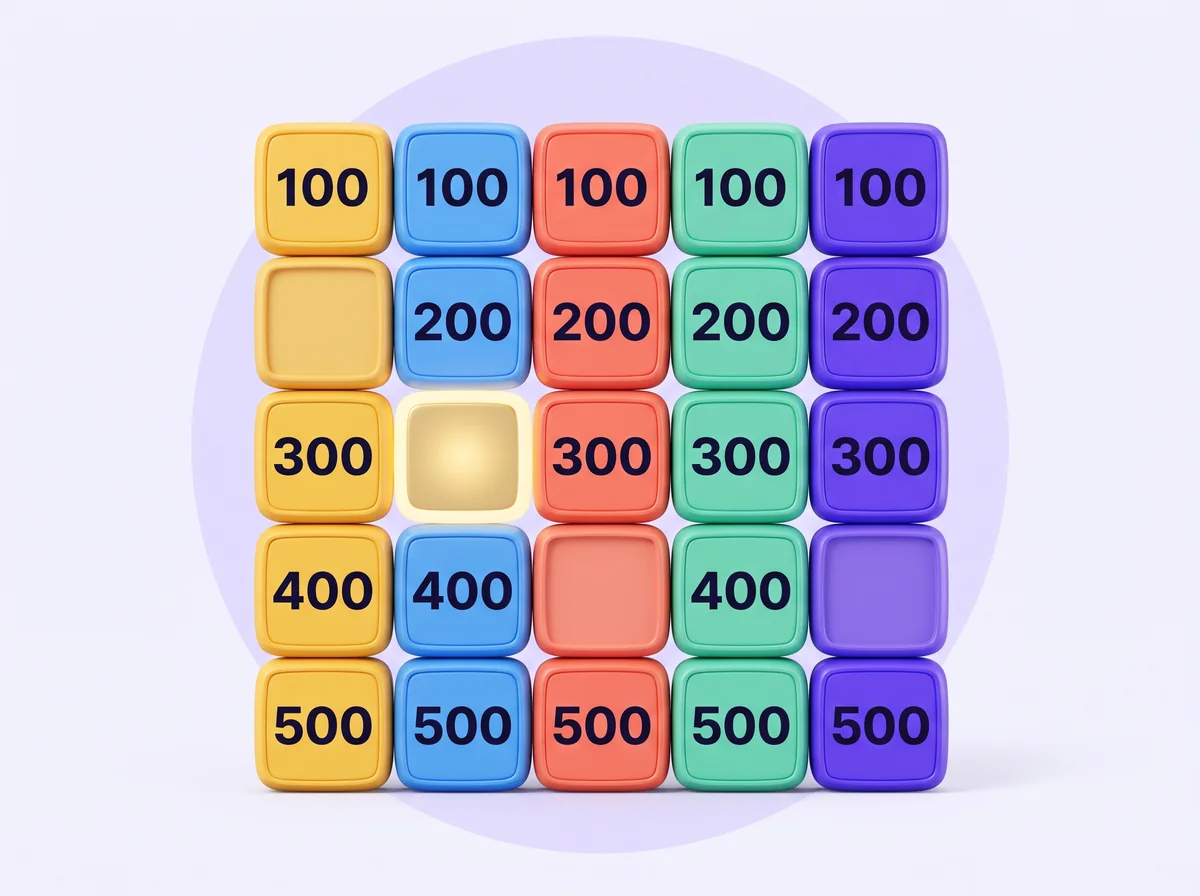 Табло5 теми по 5 въпроса, от 100 до 500 точки. Отборите избират поле, едно поле крие двойна стойност.Безплатно
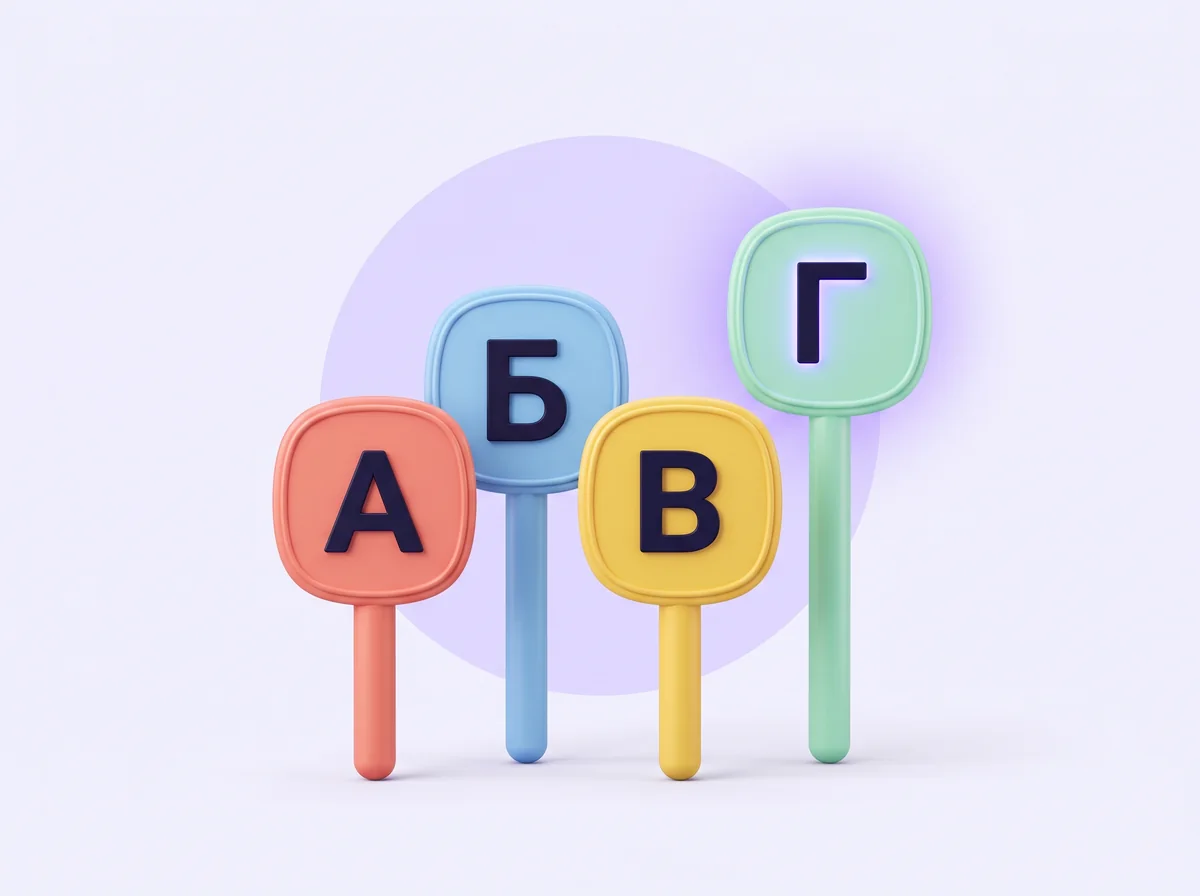 Отборен тест А/Б/В/ГВъпрос с четири отговора и таймер. Всеки отбор вдига карта с буква.Пусни на проектора
 НадбягванеВсеки отбор има писта. Верният отговор движи колата напред, трудният въпрос дава турбо.Пусни на проектора
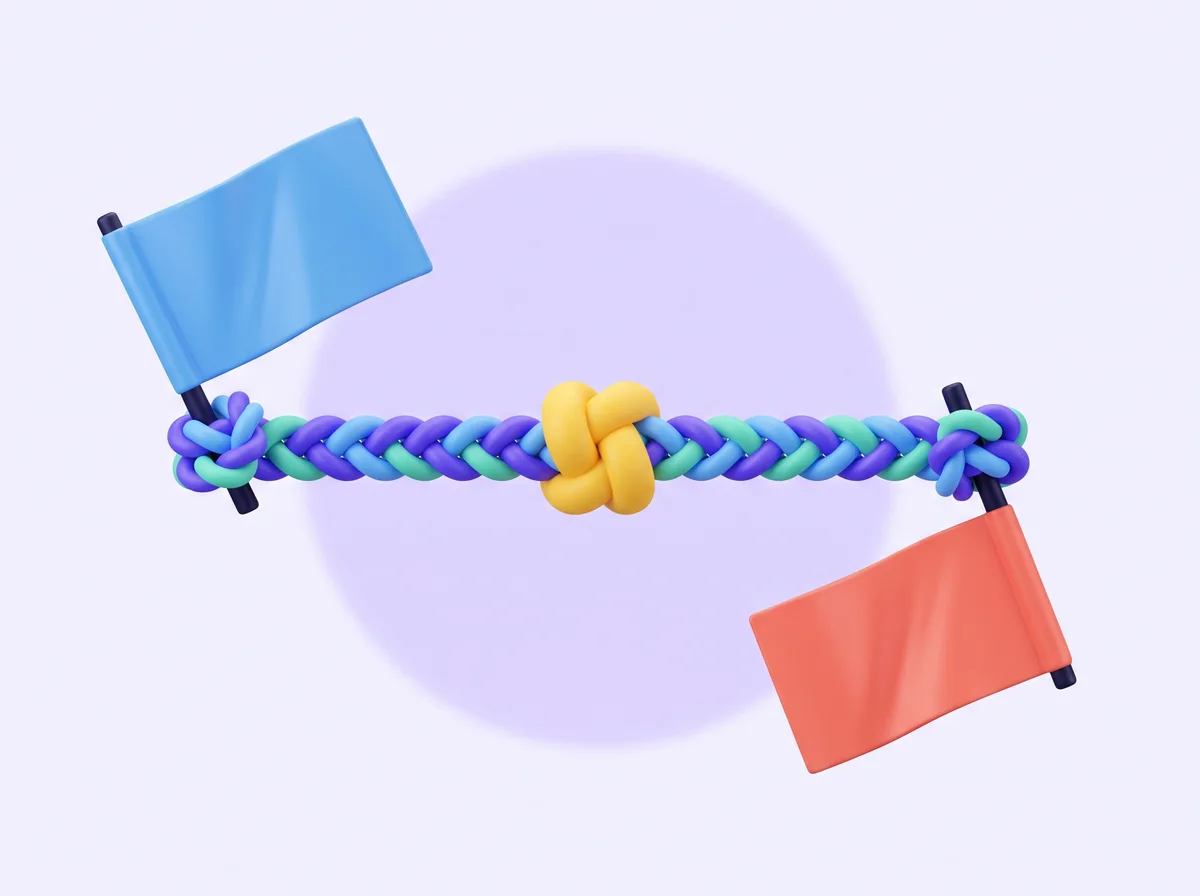 Теглене на въжеДва отбора един срещу друг. Всеки верен отговор дърпа въжето към твоя отбор.Пусни на проектора
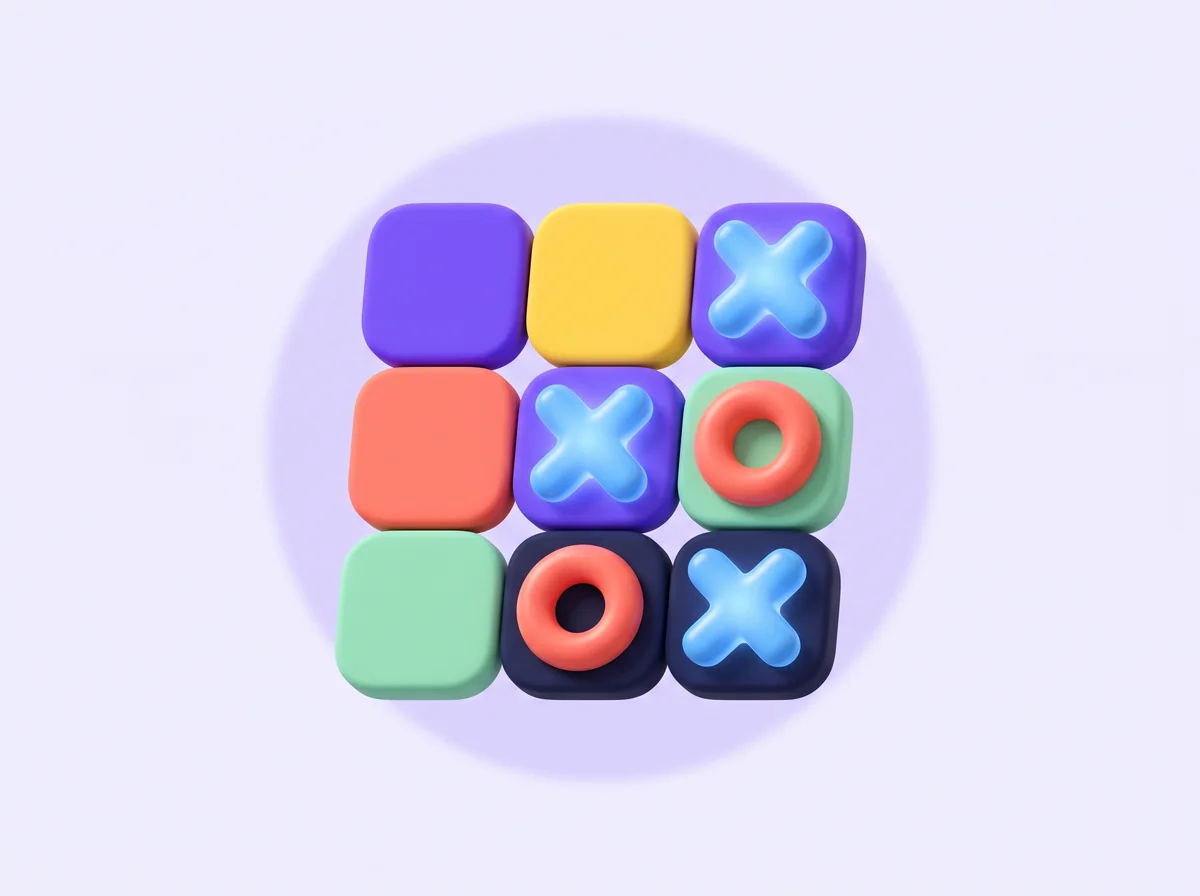 Морски шахХ срещу О на поле 3 на 3. За да заемеш квадрат, трябва да отговориш на въпроса в него.Пусни на проектора
 БомбаБомбата с неизвестен фитил минава от отбор на отбор при верен отговор. Не я задържай!Пусни на проектора
 КолелотоЗавъртете колелото: то избира темата и наградата. Понякога носи бонус, понякога взима хода.Пусни на проектора
Целият клас
Всички играят заедно или един по един пред класа. Ескейп стаяПет заключени врати и часовник. Всяка решена врата дава цифра от кода за изход.Пусни на проектора
 Милионер15 въпроса с нарастваща трудност, три жокера и сигурни суми.Пусни на проектора
 Горещ столЕдин ученик, 60 секунди и колкото може повече верни отговори. Класът следи класацията.Пусни на проектора
 БингоРазпечатайте картите. Учителят чете въпросите, учениците зачеркват отговорите.Пусни на проектора
 Вярно или невярноБързи твърдения. Класът гласува с палец нагоре или надолу.Безплатно
Думи и понятия
Ключовите понятия от темата: познай, свържи, запомни. КръстословицаКръстословица от 10 ключови понятия. Решавате на екрана или я разпечатвате.Пусни на проектора
 БесеницаПознайте понятието буква по буква, преди да свършат опитите.Пусни на проектора
 Тайният обектТри подсказки от трудна към лесна. Колкото по-рано познаеш, толкова повече точки.Пусни на проектора
 МемориОбърнати карти с въпроси и отговори. Намерете двойките и запомнете къде са.Пусни на проектора
 Свържи двойкитеШест въпроса и шест отговора, разбъркани. Отборите ги свързват на ред.Пусни на проектора
Мислене
Подреждане и откриване на грешки: разбиране, не наизуст.
Уроци в темата
Кратко обяснение, най-важното за запомняне и въпроси за всеки урок от учебната програма.
Въпроси и отговори: Икономика и потребление
Всички въпроси от комплекта по английски език за 11 клас. Натиснете въпроса, за да видите верния отговор и обяснението. Удобно за преговор преди контролно и за подготовка у дома.
Пари и финанси
Money that you keep for the future is your ___.
- debts
- savings
- bills
- loans
Отговор: savings
Savings са спестявания.
Money you get every month for your job is your ___.
- pocket money
- change
- coin
- salary
Отговор: salary
Salary е заплата.
The piece of paper from a shop that shows what you paid is a ___.
- recipe
- menu
- receipt
- label
Отговор: receipt
Receipt е касова бележка. Recipe е рецепта.
Money that you borrow from a bank is a ___.
- salary
- tip
- refund
- loan
Отговор: loan
Loan е заем, който трябва да се върне.
The extra money you pay a bank for borrowing is called ___.
- interest
- income
- profit
- budget
Отговор: interest
Interest е лихва.
Money that people must pay to the state from their income is ___.
- tax
- tip
- change
- discount
Отговор: tax
Tax е данък.
The money you get back when you return something to a shop is a ___.
- refund
- reward
- fee
- tax
Отговор: refund
Refund означава възстановена сума.
A plan of how much money you will earn and spend is a/an ___.
- receipt
- invoice
- budget
- wallet
Отговор: budget
Budget е бюджет, план за приходи и разходи.
A card that takes money directly from your own bank account is a ___ card.
- credit
- loyalty
- gift
- debit
Отговор: debit
Debit card харчи твоите пари, а с credit card взимаш пари назаем.
Complete: 'I'm ___ for a new laptop, so I don't go out much.'
- paying off
- giving away
- saving up
- running out
Отговор: saving up
Save up for something означава да спестяваш за нещо.
'I can't afford a new car.' This means ___.
- I don't want it
- I've already bought it
- the car is free
- I don't have enough money for it
Отговор: I don't have enough money for it
Can't afford означава 'не мога да си позволя'.
If you are 'in debt', you ___.
- have a lot of savings
- owe money to someone
- work in a bank
- have just been paid
Отговор: owe money to someone
In debt означава да дължиш пари.
A general rise in prices over time is called ___.
- recession
- deflation
- taxation
- inflation
Отговор: inflation
Inflation е инфлация: цените като цяло растат и парите губят стойност.
A period when a country's economy shrinks and unemployment rises is a/an ___.
- boom
- recession
- surplus
- investment
Отговор: recession
Recession е икономически спад.
Complete: 'Prices have gone up, so we need to ___ our spending.'
- put up with
- come across
- take after
- cut back on
Отговор: cut back on
Cut back on означава да намалиш нещо.
Модални глаголи
You ___ wear a seatbelt in a car. It's the law.
- might
- must
- could
- needn't
Отговор: must
Must изразява задължение.
___ I use your phone, please?
- Must
- Should
- Could
- Need
Отговор: Could
Could I...? е учтива молба за разрешение.
You ___ smoke in the hospital. It's forbidden.
- don't have to
- mustn't
- needn't
- might
Отговор: mustn't
Mustn't изразява забрана. Don't have to значи, че няма нужда.
You ___ bring food. There's plenty here.
- mustn't
- can't
- don't have to
- shouldn't
Отговор: don't have to
Don't have to означава 'не е нужно'.
You look tired. You ___ go to bed earlier.
- should
- mustn't
- couldn't
- needn't
Отговор: should
Should дава съвет.
Take an umbrella. It ___ rain later.
- must
- mustn't
- might
- has to
Отговор: might
Might изразява възможност.
He ___ be at home. His car is outside and the lights are on.
- must
- can't
- mustn't
- shouldn't
Отговор: must
Must изразява логичен извод със сигурност.
When I was five, I ___ swim.
- can
- must
- could
- should
Отговор: could
Could е минало време на can за способност.
I ___ finish the report yesterday, so I stayed late.
- had to
- must
- have to
- should
Отговор: had to
Миналото на must (задължение) е had to.
She ___ have taken the 8 o'clock train. It was cancelled.
- must
- should
- can't
- might
Отговор: can't
Can't have done: сигурни сме, че не се е случило.
We ___ have bought so much food. Half of it was left.
- needn't
- mustn't
- can't
- couldn't
Отговор: needn't
Needn't have done: направихме нещо, което не е било нужно.
The water was cold, but he ___ swim across the river.
- can
- was able to
- could have
- is able
Отговор: was able to
За едно конкретно успешно действие в миналото използваме was able to (managed to).
You ___ have told me about the sale! I bought it at full price yesterday.
- should
- must
- needn't
- mustn't
Отговор: should
Should have done изразява упрек или съжаление за минало действие.
'It's possible that she forgot the meeting.' = 'She ___ the meeting.'
- must have forgotten
- might have forgotten
- can't have forgotten
- should have forgotten
Отговор: might have forgotten
Might have done изразява възможност в миналото.
You ___ to apologise to her. You were very rude.
- should
- must
- had better
- ought
Отговор: ought
Само ought се следва от to. Should, must и had better се ползват без to.
Реклама и потребление
A short film on TV or online that tries to sell a product is an ___.
- article
- advert
- episode
- interview
Отговор: advert
Advert (advertisement) е реклама.
A well-known name of a company's products is a ___.
- branch
- bond
- band
- brand
Отговор: brand
Brand е марка.
A lower price than usual is a ___.
- discount
- receipt
- profit
- refund
Отговор: discount
Discount е намаление на цената.
A short, memorable phrase used in advertising is a ___.
- recipe
- receipt
- chapter
- slogan
Отговор: slogan
Slogan е кратка, запомняща се фраза.
Advertising on websites and social media is ___ advertising.
- offline
- online
- outdoor
- printed
Отговор: online
Online advertising е реклама в интернет.
A period when shops sell things at lower prices is a ___.
- salary
- sail
- sale
- sell
Отговор: sale
Sale е разпродажба. Sell е глагол.
People who buy goods and services are ___.
- producers
- consumers
- suppliers
- manufacturers
Отговор: consumers
Consumers са потребителите.
A person who is paid to promote products on social media is an ___.
- inspector
- investor
- instructor
- influencer
Отговор: influencer
Influencer е човек с влияние в социалните мрежи.
A large board by the road with an advert on it is a ___.
- keyboard
- cupboard
- billboard
- dashboard
Отговор: billboard
Billboard е билборд.
When a famous person publicly promotes a product, this is ___.
- a refund
- a bargain
- a complaint
- an endorsement
Отговор: an endorsement
Celebrity endorsement е реклама чрез известна личност.
Buying things suddenly, without planning, is ___ buying.
- impulse
- bulk
- second-hand
- ethical
Отговор: impulse
Impulse buying е импулсивно пазаруване.
Buying more and more things than you really need is called ___.
- consumerism
- minimalism
- recycling
- sharing
Отговор: consumerism
Consumerism е консуматорство.
'Buy now, while stocks last!' This advertising technique creates a sense of ___.
- urgency
- guilt
- humour
- nostalgia
Отговор: urgency
Фразата кара хората да бързат, т.е. създава усещане за спешност.
Which best describes 'fast fashion'?
- expensive designer clothes
- clothes for runners
- cheap clothes produced quickly to follow trends
- handmade traditional clothes
Отговор: cheap clothes produced quickly to follow trends
Fast fashion са евтини дрехи, произвеждани бързо по последните тенденции.
An advert designed to look like a normal article or post is called ___ advertising.
- outdoor
- direct
- classified
- native
Отговор: native
Native advertising се слива със съдържанието на сайта или мрежата.
Предприемачество
A person who starts their own business is an ___.
- employee
- engineer
- entrepreneur
- economist
Отговор: entrepreneur
Entrepreneur е предприемач.
The people who buy from a shop are its ___.
- owners
- staff
- managers
- customers
Отговор: customers
Customers са клиенти.
The person who is in charge of other workers is the ___.
- client
- boss
- guest
- rival
Отговор: boss
Boss е началникът.
A new, small company, often in technology, is a ___.
- take-off
- set-back
- break-up
- start-up
Отговор: start-up
Start-up е новосъздадена фирма.
Complete: 'Our company ___ 50 people.' (gives jobs to)
- employers
- employs
- employees
- employment
Отговор: employs
Нужен е глагол: employs (наема на работа).
A company that sells the same products as yours is a ___.
- partner
- supplier
- customer
- competitor
Отговор: competitor
Competitor е конкурент.
The money a business earns after paying all its costs is ___.
- loss
- profit
- turnover
- debt
Отговор: profit
Profit е печалба. Turnover е оборотът преди разходите.
A document that describes a new company's goals and finances is a ___ plan.
- lesson
- travel
- business
- floor
Отговор: business
Business plan е бизнес план.
All the money a company receives from sales, before costs, is its ___.
- profit
- revenue
- debt
- loan
Отговор: revenue
Revenue е приходът. Profit е това, което остава след разходите.
Complete: 'They ___ a business together in 2019.'
- set off
- set out
- set up
- set back
Отговор: set up
Set up a business означава основавам фирма.
Which adjective describes a person who is willing to take risks?
- adventurous
- cautious
- timid
- passive
Отговор: adventurous
Adventurous означава смел, склонен към риск.
A company that provides goods or materials to another company is a ___.
- consumer
- competitor
- supplier
- shareholder
Отговор: supplier
Supplier е доставчик.
People who give money to a new business in return for a share of it are ___.
- investors
- customers
- competitors
- suppliers
Отговор: investors
Investors са инвеститори.
If a company 'goes bankrupt', it ___.
- doubles its profits
- opens a new branch
- cannot pay its debts and must close
- becomes a bank
Отговор: cannot pay its debts and must close
Go bankrupt означава фалирам.
Complete: 'If the business doesn't ___ a profit, we'll have to close it.'
- make
- do
- take
- get
Отговор: make
Устойчиво съчетание: make a profit.
Официален имейл
Which is the best greeting for a formal email when you don't know the person's name?
- Hi there!
- Hey,
- Dear Sir or Madam,
- Hello mate,
Отговор: Dear Sir or Madam,
Dear Sir or Madam е стандартното официално обръщение към непознат.
The short line that tells what an email is about is the ___.
- subject line
- signature
- attachment
- greeting
Отговор: subject line
Subject line е темата на имейла.
Which ending is suitable for an email to a friend, but NOT for a formal email?
- Yours faithfully,
- Love,
- Yours sincerely,
- Kind regards,
Отговор: Love,
Love е неофициален край, само за близки хора.
In British English, if you start with 'Dear Mr Smith', you usually end with ___.
- Yours sincerely,
- Yours faithfully,
- Love,
- Cheers,
Отговор: Yours sincerely,
При обръщение с име: Yours sincerely. При Dear Sir or Madam: Yours faithfully.
Which word is more formal than 'buy'?
- get
- purchase
- grab
- pick up
Отговор: purchase
Purchase е по-официалният синоним на buy.
Which word is more formal than 'help'?
- hand
- push
- lift
- assistance
Отговор: assistance
Assistance е официален синоним на help.
Which phrase states the reason for writing in a formal email?
- Just wanted to ask...
- I am writing to enquire about...
- Guess what!
- What's up with...
Отговор: I am writing to enquire about...
I am writing to enquire about... е типично официално начало.
Which phrase refers to a file sent with a formal email?
- Look at this lol.
- Here's my stuff.
- Check it out!
- Please find attached my CV.
Отговор: Please find attached my CV.
Please find attached... е стандартна официална фраза.
Which is the formal way to say sorry?
- I apologise for the delay.
- My bad, sorry for the delay.
- Oops, sorry for the delay.
- Soz for the delay.
Отговор: I apologise for the delay.
В официален имейл казваме I apologise for...
Complete formally: 'I would be grateful if you ___ send me more information.'
- can
- will
- are able
- could
Отговор: could
След I would be grateful if... се използва could.
Which verb is more formal than 'ask'?
- chat
- enquire
- shout
- guess
Отговор: enquire
Enquire означава осведомявам се, питам официално.
Which verb is more formal than 'get'?
- take
- grab
- receive
- catch
Отговор: receive
Receive (получавам) е официалният вариант на get.
Which is the formal version of 'Get back to me soon'?
- I look forward to hear from you.
- I look forward to hearing from you.
- Write back fast.
- Talk soon!
Отговор: I look forward to hearing from you.
Look forward to се следва от -ing форма: hearing.
Which sentence is correct for a formal complaint?
- Your product is rubbish!!!
- I was disappointing with the product.
- The product broke, so give me money.
- I was disappointed to find that the product was damaged on arrival.
Отговор: I was disappointed to find that the product was damaged on arrival.
Вежлив, официален и граматически правилен е само вариантът „I was disappointed to find that the product was damaged on arrival.“
Choose the most formal request.
- Is the course still on?
- Tell me if the course is still there.
- Could you possibly inform me whether the course is still available?
- What's up with the course?
Отговор: Could you possibly inform me whether the course is still available?
Учтивите непреки въпроси (Could you inform me whether...) са най-официални.
Финален въпрос
What is the difference between 'You mustn't pay' and 'You don't have to pay'?
Отговор: 'You mustn't pay' = it is forbidden to pay; 'You don't have to pay' = it is not necessary to pay.
Mustn't изразява забрана, а don't have to изразява липса на задължение: можеш да платиш, но не е нужно.
Ключови понятия по темата
- Savings
- Пари, отделени и пазени за бъдещето
- Loan
- Пари, взети назаем от банка
- Budget
- План за приходите и разходите
- Inflation
- Общо повишаване на цените с времето
- Slogan
- Кратка запомняща се фраза в реклама
- Consumer
- Човек, който купува и използва стоки и услуги
- Brand
- Име или знак, по който се разпознават продуктите на фирма
- Profit
- Парите, които остават след плащане на всички разходи
- Investor
- Човек, който дава пари на фирма срещу дял от нея
- Refund
- Върнати пари за стока, върната в магазина
Често задавани въпроси
Как да проведа час по темата „Икономика и потребление“ с игра?
Изберете игра от комплекта и я пуснете на проектора или интерактивната дъска. Табло е добро за преговор на целия раздел, Ескейп стая е подходяща преди контролно, а Вярно или невярно е бърза загрявка в началото на часа. Не е нужно нищо за инсталиране.
По учебната програма ли са въпросите за 11 клас?
Да. Въпросите следват учебната програма на МОН по английски език за 11 клас (втори гимназиален етап) и покриват: Пари и финанси, Модални глаголи, Реклама и потребление, Предприемачество, Официален имейл.
Могат ли учениците да отговарят от телефоните си?
Да. С режим „На живо“ всеки ученик влиза с код от телефона си, отговаря на въпросите и вижда класацията в реално време.
Може ли детето да упражнява темата у дома?
Да. В раздел „У дома“ детето играе със същите въпроси, събира звезди и повтаря грешките си, а родителят вижда напредъка.