Околна среда и глобални проблеми
76 въпроса с отговори, 10 ключови понятия и 6 задачи за мислене и 19 игри за проектора.
- 1 Тема: Околна среда и глобални проблеми
- 2 Изберете игра
- 3 Пуснете на проектора
Околна среда и глобални проблеми
Табло и Вярно или невярно са безплатни с профил. Всички игри и „На живо“: 30 дни безплатно за учители. Цени
На живо с телефониУчениците влизат с код и отговарят от телефона си. Класация в реално време.Без проектор и без телефони
Отбелязвате от своя компютър, а всеки отговор отива в профила на ученика.Отборни битки
Класът е разделен на отбори, които се състезават за точки.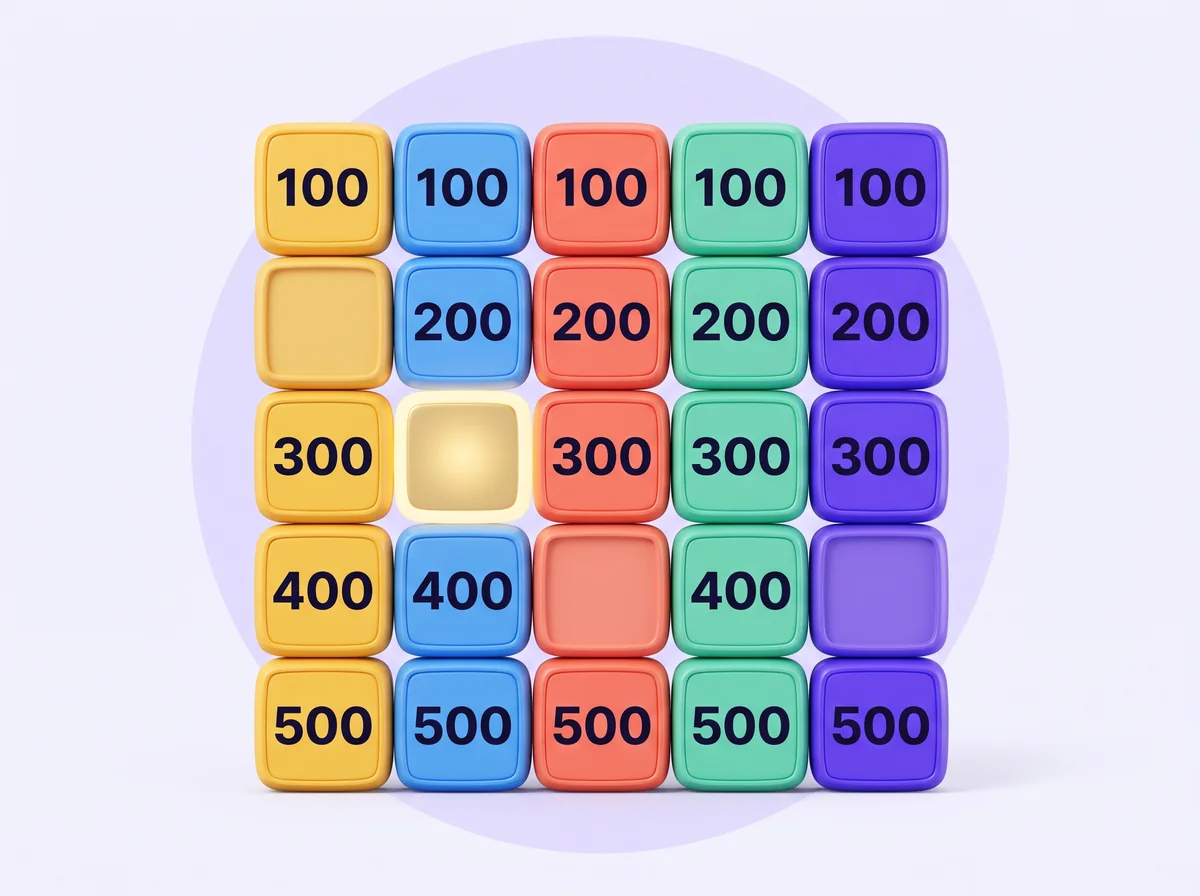 Табло5 теми по 5 въпроса, от 100 до 500 точки. Отборите избират поле, едно поле крие двойна стойност.Безплатно
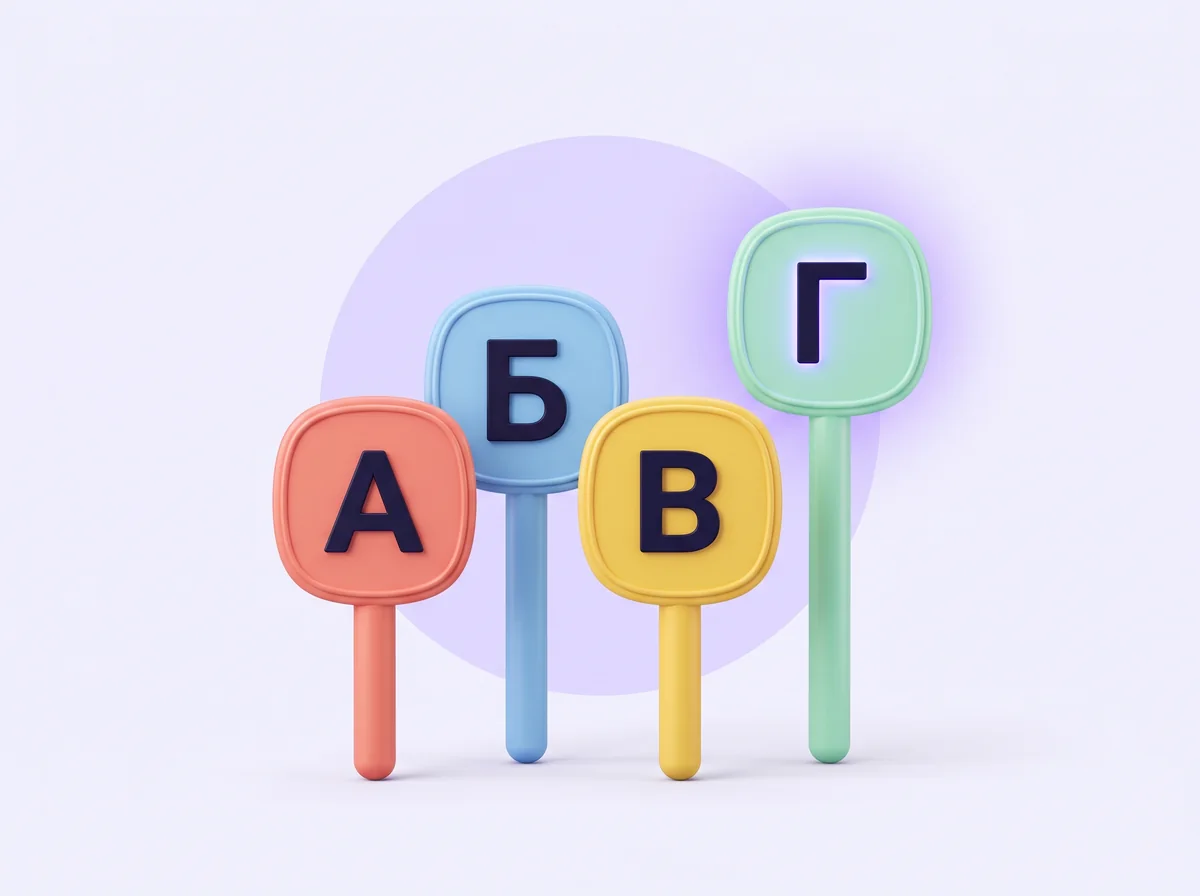 Отборен тест А/Б/В/ГВъпрос с четири отговора и таймер. Всеки отбор вдига карта с буква.Пусни на проектора
 НадбягванеВсеки отбор има писта. Верният отговор движи колата напред, трудният въпрос дава турбо.Пусни на проектора
 Теглене на въжеДва отбора един срещу друг. Всеки верен отговор дърпа въжето към твоя отбор.Пусни на проектора
 Морски шахХ срещу О на поле 3 на 3. За да заемеш квадрат, трябва да отговориш на въпроса в него.Пусни на проектора
 БомбаБомбата с неизвестен фитил минава от отбор на отбор при верен отговор. Не я задържай!Пусни на проектора
 КолелотоЗавъртете колелото: то избира темата и наградата. Понякога носи бонус, понякога взима хода.Пусни на проектора
Целият клас
Всички играят заедно или един по един пред класа.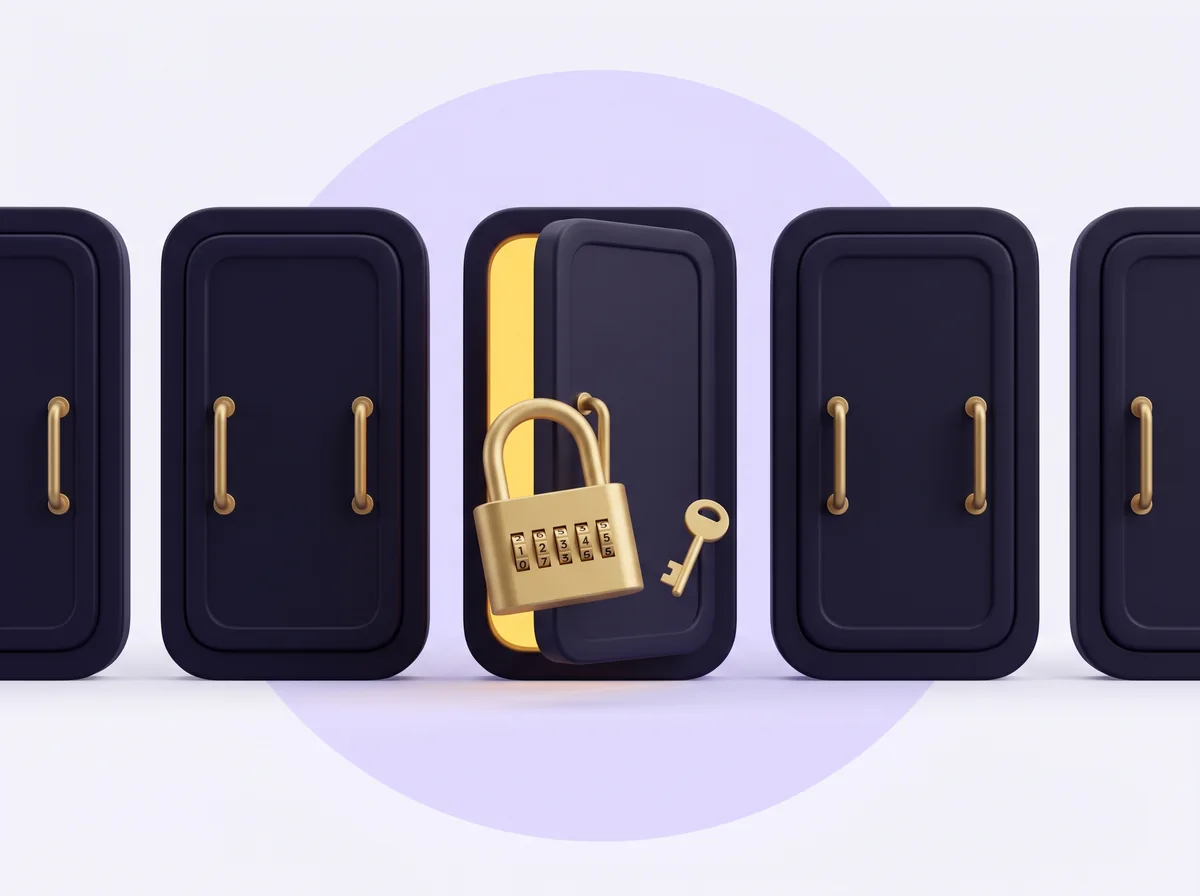 Ескейп стаяПет заключени врати и часовник. Всяка решена врата дава цифра от кода за изход.Пусни на проектора
 Милионер15 въпроса с нарастваща трудност, три жокера и сигурни суми.Пусни на проектора
 Горещ столЕдин ученик, 60 секунди и колкото може повече верни отговори. Класът следи класацията.Пусни на проектора
 БингоРазпечатайте картите. Учителят чете въпросите, учениците зачеркват отговорите.Пусни на проектора
 Вярно или невярноБързи твърдения. Класът гласува с палец нагоре или надолу.Безплатно
Думи и понятия
Ключовите понятия от темата: познай, свържи, запомни. КръстословицаКръстословица от 10 ключови понятия. Решавате на екрана или я разпечатвате.Пусни на проектора
 БесеницаПознайте понятието буква по буква, преди да свършат опитите.Пусни на проектора
 Тайният обектТри подсказки от трудна към лесна. Колкото по-рано познаеш, толкова повече точки.Пусни на проектора
 МемориОбърнати карти с въпроси и отговори. Намерете двойките и запомнете къде са.Пусни на проектора
 Свържи двойкитеШест въпроса и шест отговора, разбъркани. Отборите ги свързват на ред.Пусни на проектора
Мислене
Подреждане и откриване на грешки: разбиране, не наизуст.

Уроци в темата
Кратко обяснение, най-важното за запомняне и въпроси за всеки урок от учебната програма.
Въпроси и отговори: Околна среда и глобални проблеми
Всички въпроси от комплекта по английски език за 11 клас. Натиснете въпроса, за да видите верния отговор и обяснението. Удобно за преговор преди контролно и за подготовка у дома.
Екологични проблеми
Cutting down large areas of forest is called ___.
- deforestation
- pollution
- erosion
- irrigation
Отговор: deforestation
Deforestation означава обезлесяване, изсичане на горите.
Plastic bottles, paper and glass can be ___ and used again.
- wasted
- polluted
- recycled
- thrown
Отговор: recycled
Recycled означава рециклиран, преработен за повторна употреба.
Rubbish that people throw away is ___.
- waste
- wealth
- weather
- wildlife
Отговор: waste
Waste означава отпадъци.
The gradual rise in the Earth's average temperature is called global ___.
- cooling
- warming
- raising
- burning
Отговор: warming
Global warming е глобалното затопляне.
Which of these is a fossil fuel?
- wind
- sunlight
- tides
- oil
Отговор: oil
Нефтът (oil) е изкопаемо гориво, а вятърът, слънцето и приливите са възобновяеми източници.
Things that can be used only once and then thrown away are ___.
- reusable
- recyclable
- renewable
- single-use
Отговор: single-use
Single-use означава за еднократна употреба.
Energy from the sun, wind and water is called ___ energy.
- fossil
- nuclear
- renewable
- disposable
Отговор: renewable
Renewable energy е възобновяема енергия, източниците ѝ не се изчерпват.
Smoke from cars and factories causes air ___.
- pollution
- population
- protection
- prediction
Отговор: pollution
Air pollution е замърсяване на въздуха.
The layer in the atmosphere that protects us from the sun's UV rays is the ___ layer.
- carbon
- ozone
- oxygen
- cloud
Отговор: ozone
Озоновият слой поглъща голяма част от ултравиолетовите лъчи.
Many animal species are ___ because their habitats are being destroyed.
- harmless
- domestic
- abundant
- endangered
Отговор: endangered
Endangered означава застрашен от изчезване.
Very long periods with little or no rain are called ___.
- floods
- droughts
- hurricanes
- avalanches
Отговор: droughts
Drought означава суша.
Rain polluted by chemicals from factories and cars is ___ rain.
- heavy
- light
- sweet
- acid
Отговор: acid
Киселинният дъжд (acid rain) се образува от серни и азотни оксиди.
Which phrase means 'the amount of carbon dioxide a person or activity produces'?
- carbon footprint
- carbon copy
- greenhouse effect
- ozone layer
Отговор: carbon footprint
Carbon footprint е въглеродният отпечатък на човек или дейност.
We must ___ the amount of energy we waste.
- put up with
- come up with
- cut down on
- look forward to
Отговор: cut down on
Cut down on означава намалявам нещо.
When soil is washed or blown away, this is called soil ___.
- irrigation
- erosion
- fertilisation
- cultivation
Отговор: erosion
Ерозията отнася почвата чрез вода или вятър.
Условни изречения
If you heat ice, it ___.
- melted
- melts
- would melt
- has melted
Отговор: melts
Нулево условно изречение за общовалидни истини: if + Present Simple, Present Simple.
If you ___ red and blue, you get purple.
- will mix
- mixed
- would mix
- mix
Отговор: mix
Нулево условно: и в двете части е Present Simple.
Which conditional is used for general truths and facts?
- the second conditional
- the third conditional
- the zero conditional
- the mixed conditional
Отговор: the zero conditional
Нулев тип: If + present, present, например If you heat ice, it melts.
If it rains tomorrow, we ___ at home.
- would stay
- stayed
- will stay
- would have stayed
Отговор: will stay
Първо условно: if + Present Simple, will + глагол за реална бъдеща възможност.
We will save energy if we ___ off the lights.
- turn
- will turn
- turned
- would turn
Отговор: turn
В подчиненото изречение с if при първо условно се използва Present Simple, не will.
I'll call you as soon as I ___ home.
- get
- will get
- got
- would get
Отговор: get
След as soon as, when, before за бъдеще използваме сегашно време.
If I ___ the president, I would ban plastic bags.
- am
- will be
- had been
- were
Отговор: were
Второ условно за нереална ситуация: if + Past Simple (were), would + глагол.
___ we act now, the problem will get worse.
- If
- Unless
- When
- As long as
Отговор: Unless
Unless означава 'ако не': ако не действаме сега, проблемът ще се влоши.
If I were you, I ___ take the train. It's faster.
- will
- would
- am
- had
Отговор: would
If I were you, I would... е начин да дадеш съвет.
If people had recycled more in the past, the river ___ so polluted now.
- wouldn't be
- won't be
- wouldn't have been
- isn't
Отговор: wouldn't be
Смесено условно: минало условие (had + V3) и настоящ резултат (would + глагол), заради 'now'.
What would you do if you ___ a lot of money?
- win
- will win
- won
- would win
Отговор: won
Второ условно: if + Past Simple, would + глагол.
You can borrow my bike ___ you bring it back by six.
- unless
- even though
- in case
- provided that
Отговор: provided that
Provided that означава при условие че.
Choose the correct third conditional sentence.
- If they would have planted trees, the floods wouldn't be so bad.
- If they had planted trees, the floods wouldn't have been so bad.
- If they had planted trees, the floods won't have been so bad.
- If they have planted trees, the floods wouldn't have been so bad.
Отговор: If they had planted trees, the floods wouldn't have been so bad.
Трето условно: if + Past Perfect, would have + V3.
Which sentence uses inversion correctly?
- Did we know about the risk, we would have acted earlier.
- We had known about the risk, we would have acted earlier.
- Have we known about the risk, we would have acted earlier.
- Had we known about the risk, we would have acted earlier.
Отговор: Had we known about the risk, we would have acted earlier.
При инверсия в трето условно if отпада и had застава пред подлога.
'Should you need any help, please call me.' means ___.
- If you need any help, please call me.
- You should need help, so call me.
- You must call me for help.
- If you had needed help, you would have called me.
Отговор: If you need any help, please call me.
Should + подлог в началото е официален вариант на If + present.
Урбанизация
A very large and important city is also called a ___.
- village
- hamlet
- metropolis
- suburb
Отговор: metropolis
Metropolis е голям град, мегаполис.
People who live in a city are city ___.
- dwellers
- villagers
- farmers
- nomads
Отговор: dwellers
City dwellers са жителите на града.
A very tall building in a city is a ___.
- cottage
- barn
- skyscraper
- hut
Отговор: skyscraper
Skyscraper е небостъргач.
A residential area at the edge of a city is a ___.
- city centre
- skyscraper
- square
- suburb
Отговор: suburb
Suburb е предградие, жилищен квартал в покрайнините.
Daily travel between home and work is called ___.
- migrating
- commuting
- sightseeing
- hiking
Отговор: commuting
Commuting е ежедневното пътуване от дома до работата и обратно.
The countryside is also called a/an ___ area.
- urban
- industrial
- rural
- central
Отговор: rural
Rural означава селски, а urban градски.
Urbanisation is the process of ___.
- people moving from rural areas to cities
- cities becoming smaller
- building new farms
- people moving to the countryside
Отговор: people moving from rural areas to cities
Урбанизацията е преместването на хора от селата в градовете и растежът на градовете.
Which is a typical advantage of city life?
- cleaner air
- less noise
- better access to jobs and services
- cheaper housing
Отговор: better access to jobs and services
Градовете предлагат повече работа и услуги, но въздухът е по-мръсен, а жилищата по-скъпи.
The ___ hour is the time when roads and public transport are busiest.
- rush
- late
- quiet
- free
Отговор: rush
Rush hour е пиковият час.
Heavy traffic in big cities often leads to ___.
- conservation
- congestion
- construction
- consumption
Отговор: congestion
Traffic congestion означава задръстване.
Old factories are turned into flats and offices. This is called urban ___.
- sprawl
- migration
- decay
- regeneration
Отговор: regeneration
Urban regeneration е обновяване на градски райони.
The uncontrolled spread of a city into the countryside is urban ___.
- regeneration
- renewal
- planning
- sprawl
Отговор: sprawl
Urban sprawl е неконтролираното разрастване на града.
A very poor, overcrowded area of a city is called a ___.
- suburb
- residential area
- slum
- green belt
Отговор: slum
Slum е бедняшки квартал с лоши условия за живот.
Choose the correct word: The city's ___ has grown to over two million.
- population
- pollution
- populated
- popularity
Отговор: population
Population е населението на града.
Land around a city where new building is restricted to protect nature is a ___.
- slum
- green belt
- suburb
- ring road
Отговор: green belt
Green belt е зелен пояс около града.
Бедност и неравенство
People who have nowhere to live are ___.
- homesick
- homemade
- homeland
- homeless
Отговор: homeless
Homeless означава бездомен.
A person who is very poor lives in ___.
- wealth
- poverty
- luxury
- comfort
Отговор: poverty
Poverty означава бедност.
The state of not having a job is ___.
- employment
- retirement
- payment
- unemployment
Отговор: unemployment
Unemployment е безработица.
Help, such as money or food, that rich countries give to poorer countries is ___.
- aid
- debt
- tax
- profit
Отговор: aid
Aid означава помощ, например хуманитарна помощ.
A country with a low income that is trying to grow its economy is a/an ___ country.
- developed
- wealthy
- developing
- industrialised
Отговор: developing
Developing country е развиваща се страна.
Not having enough food to eat is ___.
- thirst
- hunger
- wealth
- health
Отговор: hunger
Hunger е глад.
When many people in a region do not have enough food for a long time, there is a ___.
- feast
- famine
- harvest
- surplus
Отговор: famine
Famine означава глад, масов недостиг на храна.
An organisation that helps people in need and does not aim to make a profit is a ___.
- company
- bank
- factory
- charity
Отговор: charity
Charity е благотворителна организация.
The lowest amount of money a worker must legally be paid is the minimum ___.
- price
- tax
- wage
- loan
Отговор: wage
Minimum wage е минималната работна заплата.
The ___ between the rich and the poor is getting wider.
- bridge
- link
- gap
- hole
Отговор: gap
The gap between rich and poor е пропастта между богатите и бедните.
Money that a country or a person owes is called ___.
- debt
- income
- savings
- salary
Отговор: debt
Debt означава дълг.
A very small loan that helps a poor person start a business is a ___.
- microloan
- mortgage
- pension
- scholarship
Отговор: microloan
Microloan е микрокредит. Mortgage е ипотечен кредит за жилище.
Which term describes trade that aims to pay producers in poor countries a fair price?
- free trade
- black market
- fast fashion
- fair trade
Отговор: fair trade
Fair trade е справедлива търговия, която цели по-добро заплащане на производителите.
Choose the correct sentence.
- Millions of people still lack of access to clean water.
- Millions of people still lack access to clean water.
- Millions of people still are lacking to access clean water.
- Millions of people still lack for access clean water.
Отговор: Millions of people still lack access to clean water.
Глаголът lack е преходен и не се свързва с of. Of се използва след съществителното: a lack of.
Which word means 'unable to read or write'?
- illegal
- illiterate
- illogical
- irregular
Отговор: illiterate
Illiterate означава неграмотен.
Доклад
A report usually begins with a section that states its ___.
- purpose
- ending
- signature
- price
Отговор: purpose
Докладът започва с увод, който посочва целта му.
Which of these is a typical report heading?
- Dear Mum
- Lots of love
- Findings
- Chapter One
Отговор: Findings
Findings (резултати, констатации) е типично заглавие на раздел в доклад.
Reports are usually divided into sections with ___.
- rhymes
- greetings
- signatures
- headings
Отговор: headings
Докладът е разделен на части със заглавия.
Which style is suitable for a report?
- informal with slang
- formal and impersonal
- poetic and emotional
- chatty and personal
Отговор: formal and impersonal
Докладът е официален и безличен текст.
Choose the most formal verb: The survey ___ that most students walk to school.
- told about
- spoke
- talked
- revealed
Отговор: revealed
Revealed (показа, разкри) е подходящ официален глагол.
Which phrase introduces what most people in a survey said?
- The majority of students...
- A few students...
- Hardly any students...
- Not one student...
Отговор: The majority of students...
The majority означава мнозинството.
Which phrase is best for introducing the aim of a report?
- Hi guys, here's my report...
- Well, let me tell you...
- The aim of this report is to...
- Once upon a time...
Отговор: The aim of this report is to...
The aim of this report is to... е стандартно официално начало.
Which linking phrase introduces a result?
- As a result
- In contrast
- For example
- However
Отговор: As a result
As a result въвежда следствие.
Which linker formally adds another point?
- Plus,
- And also,
- In addition,
- Oh, and
Отговор: In addition,
In addition е официален свързващ израз за добавяне.
Which heading is most suitable for the last section of a report?
- Best wishes
- Introduction
- Yours sincerely
- Conclusion and recommendations
Отговор: Conclusion and recommendations
Докладът завършва със заключение и препоръки.
Which phrase is used to report survey results?
- In my humble opinion, ...
- According to the survey, ...
- Believe it or not, ...
- Long story short, ...
Отговор: According to the survey, ...
According to the survey (според проучването) въвежда данни.
Choose the correct form: 'I suggest ___ more bike lanes.'
- to build
- build
- building
- to building
Отговор: building
След suggest използваме -ing форма или that-изречение.
Which sentence is the most impersonal and formal?
- It is recommended that more bins be installed.
- I think we should get more bins.
- We really need loads more bins!
- Get more bins, OK?
Отговор: It is recommended that more bins be installed.
Безличната конструкция It is recommended that... със страдателен залог звучи най-официално.
Choose the correct option: It is strongly ___ that the council introduce a recycling scheme.
- recommending
- recommend
- recommended
- to recommend
Отговор: recommended
It is recommended that... е страдателна безлична конструкция, следвана от подлог и основна форма на глагола.
Which sentence presents a finding objectively?
- Over 60% of respondents said they cycle to school.
- Loads of people love cycling, obviously.
- I personally think cycling is great.
- Everyone knows cycling is the best.
Отговор: Over 60% of respondents said they cycle to school.
Обективният доклад дава данни, без лично мнение и разговорни думи.
Финален въпрос
Complete the mixed conditional: If we hadn't polluted the oceans, there ___ (be) more fish today.
Отговор: would be
Смесено условно изречение: минало условие (had + V3) и настоящ резултат (would + глагол), заради 'today'.
Ключови понятия по темата
- Pollution
- Замърсяване на въздуха, водата или почвата
- Recycling
- Преработване на отпадъци, за да се използват отново
- Drought
- Дълъг период без дъжд
- Suburb
- Жилищен район в покрайнините на голям град
- Poverty
- Състояние, в което човек няма достатъчно пари за основни нужди
- Famine
- Масов недостиг на храна в даден регион
- Renewable
- За енергия от източници, които не се изчерпват
- Metropolis
- Много голям и важен град
- Charity
- Организация, която помага на хора в нужда без печалба
- Conditional
- Вид изречение, което започва с 'if'
Често задавани въпроси
Как да проведа час по темата „Околна среда и глобални проблеми“ с игра?
Изберете игра от комплекта и я пуснете на проектора или интерактивната дъска. Табло е добро за преговор на целия раздел, Ескейп стая е подходяща преди контролно, а Вярно или невярно е бърза загрявка в началото на часа. Не е нужно нищо за инсталиране.
По учебната програма ли са въпросите за 11 клас?
Да. Въпросите следват учебната програма на МОН по английски език за 11 клас (втори гимназиален етап) и покриват: Екологични проблеми, Условни изречения, Урбанизация, Бедност и неравенство, Доклад.
Могат ли учениците да отговарят от телефоните си?
Да. С режим „На живо“ всеки ученик влиза с код от телефона си, отговаря на въпросите и вижда класацията в реално време.
Може ли детето да упражнява темата у дома?
Да. В раздел „У дома“ детето играе със същите въпроси, събира звезди и повтаря грешките си, а родителят вижда напредъка.